Home









Latest Posts
Click title to read full posts
Women have long been second-class citizens, but you’d have to admit that even by the world’s shameful standards, we’ve hit a new low in the United States. It’s not even the revelations of the #MeToo movement, the fallout from the Dobbs decision and the scandal of the Epstein files.
I’m talking about the last few weeks. First, we had the Cornell University gang rape case and now the Vivek Ramaswamy ad in which his opponent’s mother, Donna Arthur, accuses her daughter, Ohio Democratic gubernatorial candidate Amy Acton, of being a liar. The infamous backstory to this is that Acton was raped by her stepfather, Cletus “Bud” Arthur, who was arrested and indicted on child rape charges.
Is faith a belief in something greater than yourself — God, for instance — or a kind of wishful thinking, a desperate hope that you will live in the hereafter and one day see those you loved and lost?
That’s the question at the heart of “Sea Wall,” a one-man play written by Simon Stephens for Andrew Scott, who performs it with breathtaking intensity at Off-Broadway’s Studio Seaview through Oct. 30.

In “Hamlet,” you have the makings of what the late Shakespearean scholar Harold Bloom described in his “Hamlet: Poem Unlimited” (Riverside Books, 2003) as “the Hamlet complex, of which murderousness forms as large a component as does self-conscious theatricality. Or are the two components fused: Should we speak of murderous theatricalism?”
But what of us? Should we also speak of murderous theatricalism in an AI-fused Trumpian society that is all about communications and reality TV but lacks communication skill?
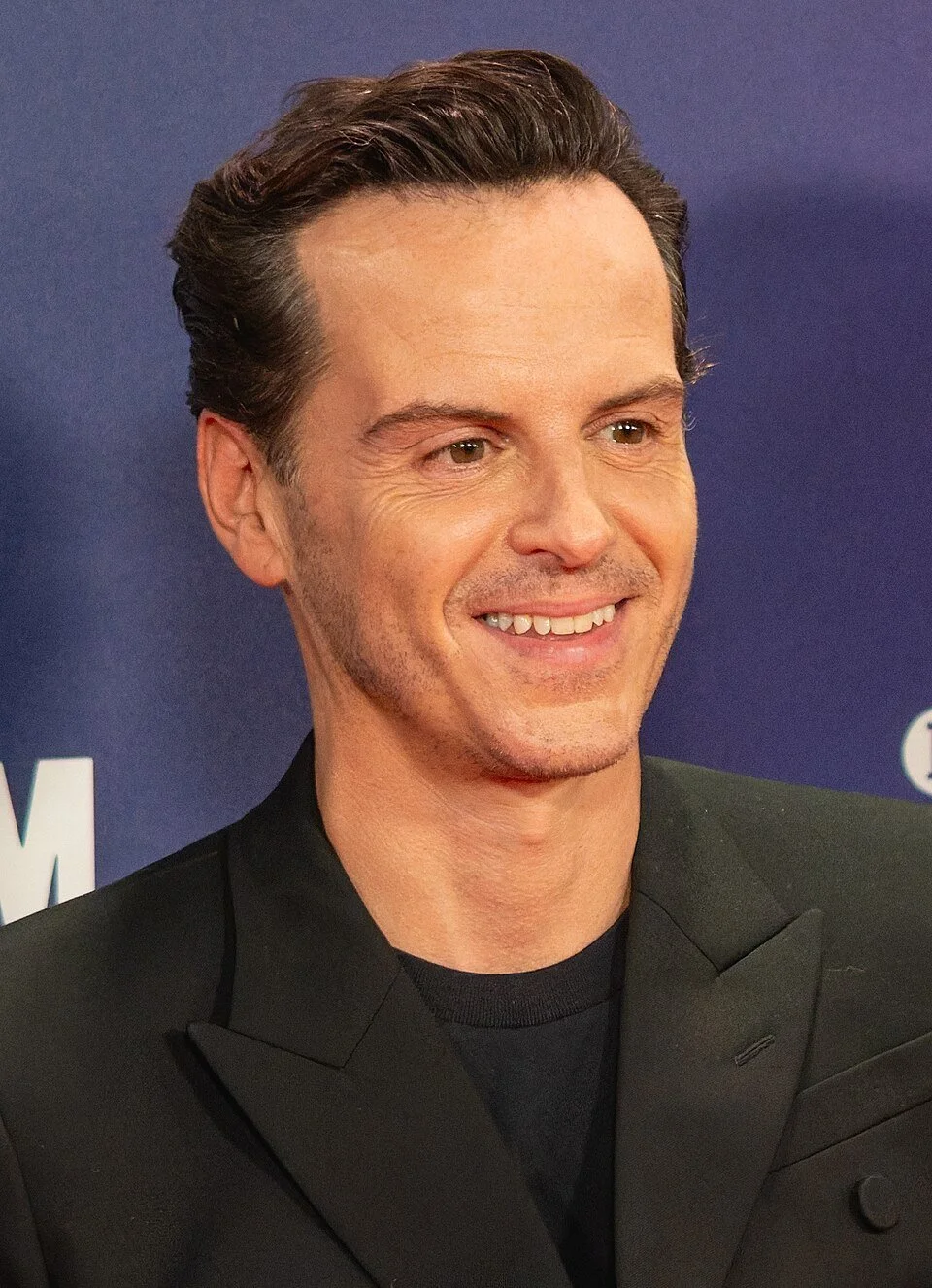
We’re in a “Hamlet” moment, with the 2025 films “Hamnet,” offering a backstory to William Shakespeare’s creation, and an Indian-centered version with Riz Ahmed in the title role. But the best may be yet to come with “Elsinore,” bowing only in theaters Nov. 20, with Andrew Scott of “Sherlock” and “Ripley” fame playing Ian Charleson, the “Chariots of Fire” star who took on the Danish prince in 1989 as he was dying of AIDS.
The film is already generating Oscar buzz for Scott’s interpretation of Charleson playing the part, which judging from the trailer is vastly different from his own acclaimed 2017 interpretation of Hamlet. I’ll have a full review of “Elsinore” after its premiere — as a collector of “Hamlets,” my favorite play, I can’t wait — but here I’m more interested in what a revisit of Charleson’s Hamlet says about fame, accomplishment, AIDS and our own time.
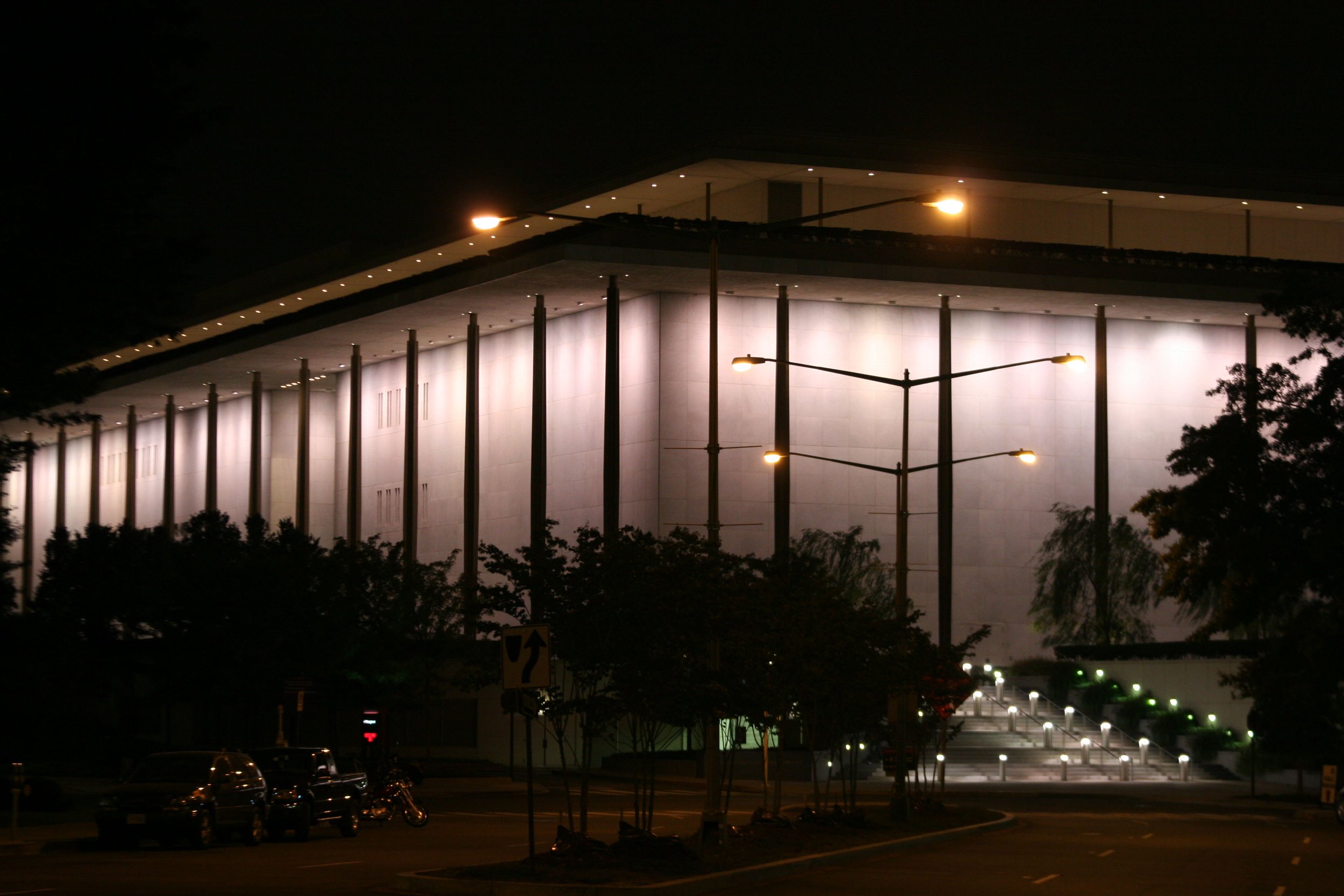
Consider President Donald J. Trump’s own “sense of injured merit.” He’s determined to have his name on the John F. Kennedy Center for the Performing Arts or the center is in peril of demolition. (On Friday, Sept. 18, protestors formed a human chain around the building, with a judge issuing a 30-day moratorium on any demolition.) He brooks no criticism, so reporters from CNN, MS NOW and Politico are banned from the White House. He feels Canada and other countries of the world have injured our merit, so tariffs go up, and those are just the tip of the invasion iceberg.
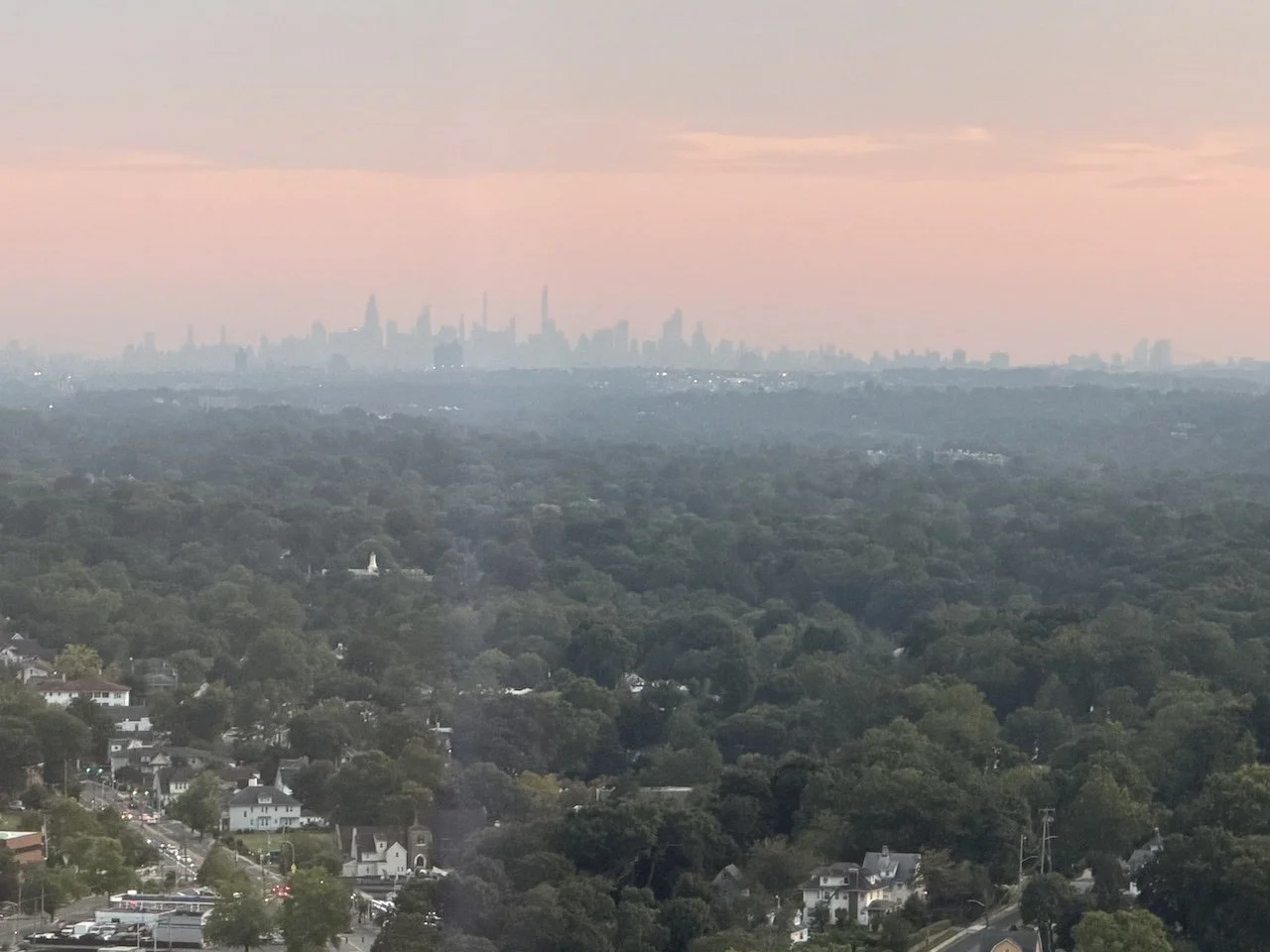
It was a beautiful day: That’s the first thing that anyone who experienced Sept. 11, 2001, will tell you about it. It was a beautiful day, what the pilots call “severe clear.” It had to be, because the terrorists who used those planes to bomb the World Trade Center and the Pentagon and who were foiled in Shanksville, Pennsylvania, didn’t really know how to fly that well. So the weather had to be good, “a seamless sky,” as I later titled one of my novels, whose centerpiece takes place on that day.
How best to remember it, 25 years later? At first, I thought I would write about the day itself and all that I had witnessed. But lover of history though I am, I realized that I had done that before and had no desire to do so again. Instead, I would rather focus here on 9/11/2026 and the future.