
On the day before Halloween, I was treated to a kind of Halloween party by Gary Carskadden, the director of development and planned giving at Sarah Lawrence College in Yonkers, New York, my alma mater.
We toured the campus and savored an orgy of a pumpkin-inspired lunch at Bates, the building that hosts the cafeteria, which brought back so many memories. One stab to the heart: The school no longer has a bookstore as students get what they want online or off the internet.
It’s a trend whose time has unfortunately come. All I could think of was the great Metropolitan Museum of Art Store that combined a fabulous book and gift shop and is now the oxymoronic Costume Art galleries. I feel like an embittered oldster who can’t change with the times. And then I overheard a group of teenage students in Barnes & Nobles in Eastchester, New York, discussing Christopher Columbus’ discovery of America in — 1893.
1893. “Ah, 1492,” I said. “Oh, I’m so sorry you had to hear that,” the speaker said. Not that she was sorry she didn’t know a fact I learned in a rhyme in grammar school, but rather she was sorry I overheard her, as if the lack of an audience would erase her ignorance, sort of like “if a tree falls in a forest….” She and her friends then moved away to comment on me.
I wasn’t trying to shame them. But really, 1893? And yet, they have no trouble LOL-ing. It’s the kind of crisis in the American educational system that has in part led to the crisis we are facing on Tuesday, Nov. 3, Election Day.
Can the Democrats pull it out, off? There’s a 60% to 77% chance that the Dems can take both houses of Congress, though the House is a virtual lock while the Senate is more of a toss-up. One thing is certain: If the polls turn out to be wrong, I think the folks at The Bulwark, an entertaining podcast of disaffected Republicans, are going to have a stroke.
I know how The Bulwark feels. I’ll be out to vote early (though, alas, not often), and then I’ll spend the evening after work cleaning, because I’ll be too nervous to do anything else.
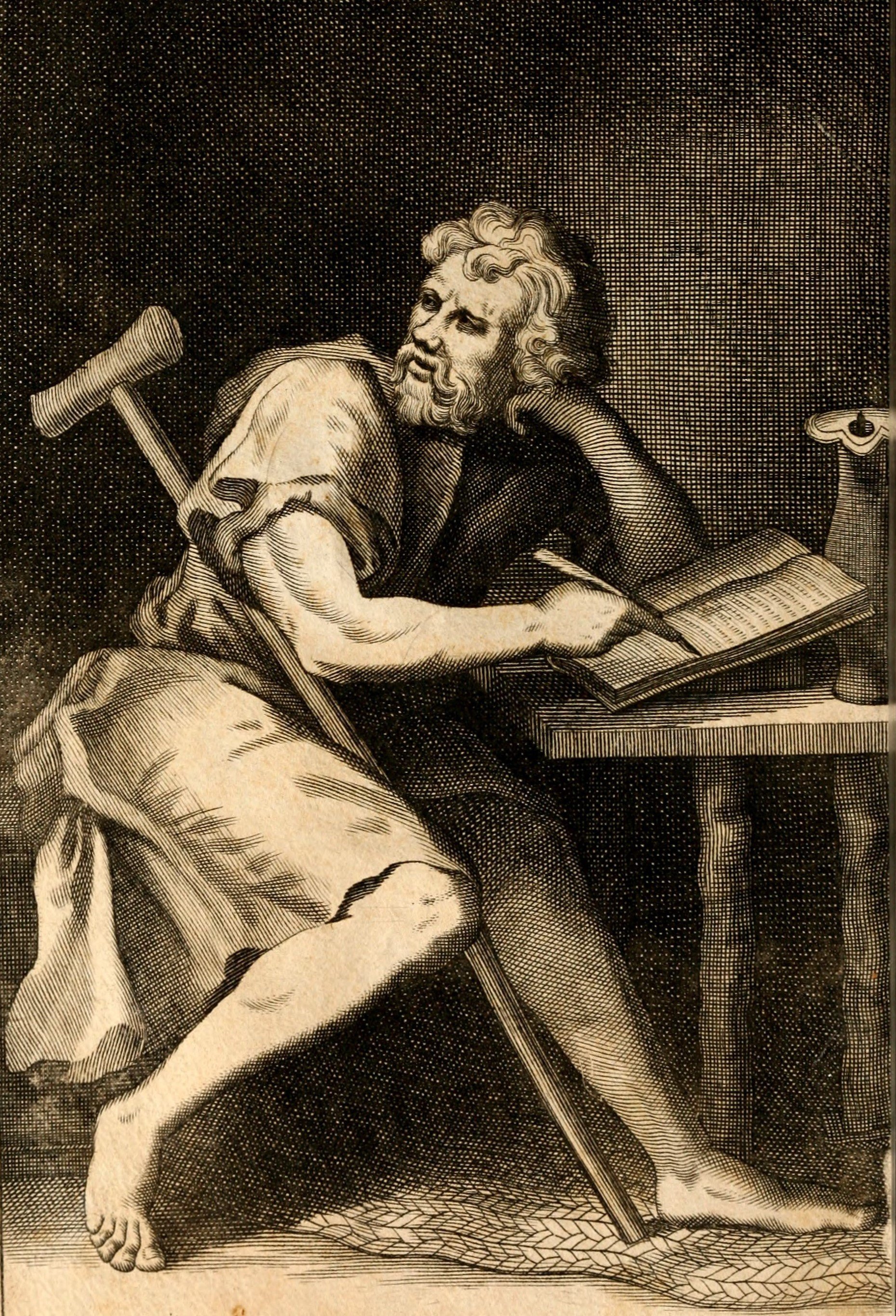
But why? “True instruction is this,” the Greco-Roman Stoic philosopher Epictetus posited: “To wish for each thing to happen as it does.”
The Stoics believed not only in the acceptance of fate but the joy in it. Centuries later, the German philosopher Friedrich Nietzsche would call this amor fati — the love of fate.
How, however, can we love all fates? It’s one thing if we’re destined to be a movie star, but what about someone who lost a loved one on 9/11? What about those with cancer?
Perhaps what the Stoics and Nietzche were referring to was the necessity of understanding the good and evil that happen and everything in between — the soft seasons and the hard ones — as part of a necessary whole. And even if we don’t understand and don’t accept and don’t enjoy, what is going to be is going to be.
Whatever happens, we are going to have to live and work with it.