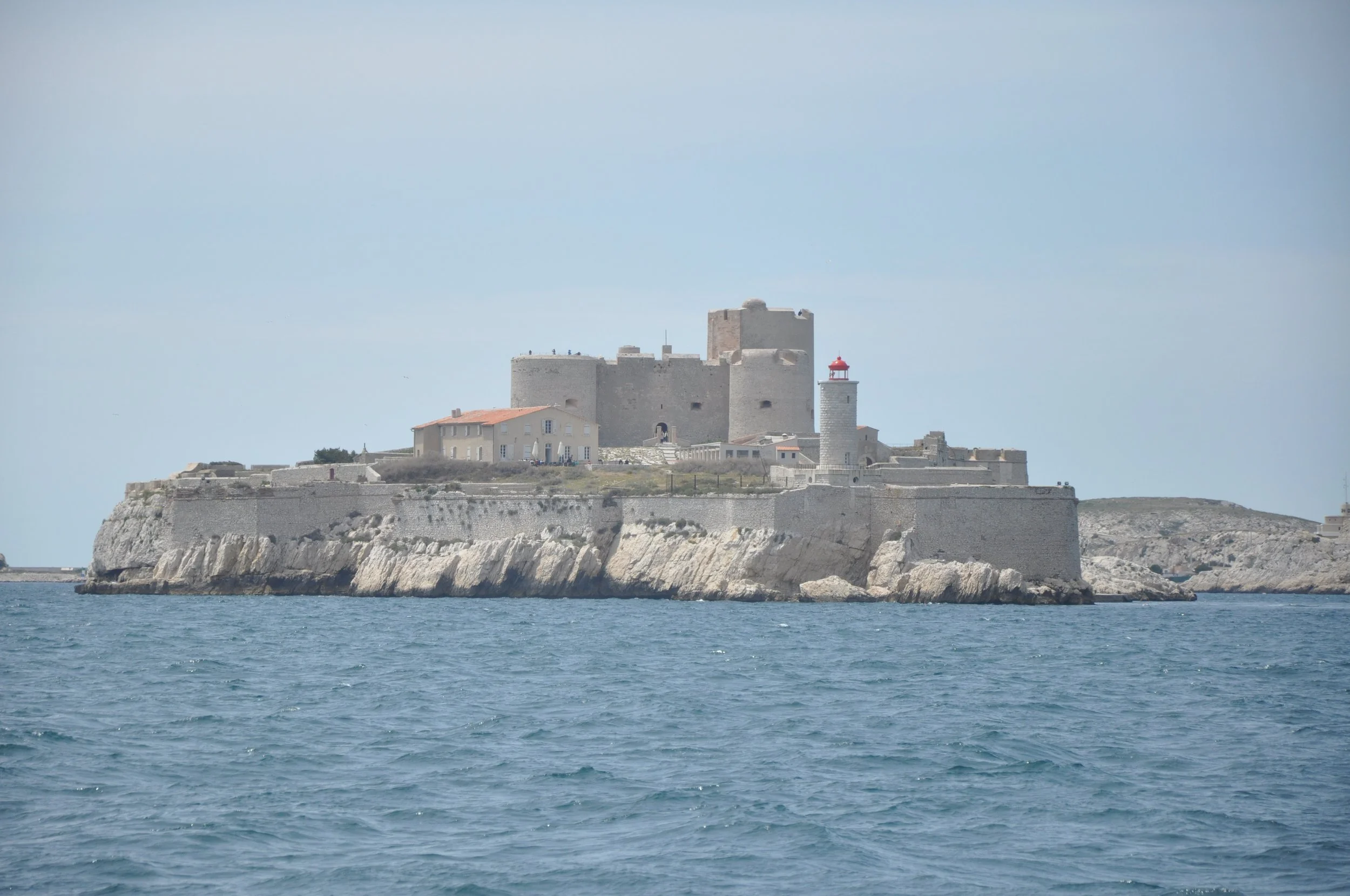
“Revenge is a dish best served cold” is an old saying. But an even better one is “Seek revenge, dig a grave for two.”
In Alexandre Dumas’ “The Count of Monte Cristo,” recently reimagined on PBS, Edmond Dantès digs many graves, so to speak, as he seeks revenge on those who robbed him of his future, including with the woman he loved, only to find that his vengeance, however juicy and ingenious on the page and screen, is ultimately hollow and destructive beyond what he imagined,
President Donald J. Trump’s revenge on those he believes harmed him and his supporters may eventually prove the same. By successfully primary-ing senators like Louisiana’s Bill Cassidy and Kentucky’s Thomas Massie, Trump has freed the lame ducks to vote their conscious rather than their party loyalty, potentially quashing his slush fund for the Jan. 6 insurrectionists and billion-dollar ballroom. But it’s more than that. By helping to install MAGA Republican candidates rather than the traditional, professional Republicans who might appeal to moderates and independents, Trump is risking defeat to the Democrats in the November midterms.
The May 26 runoff between long-serving Texas Sen. John Cornyn and scandal-ridden but Trump-backed State Attorney General Ken Paxton offers a case in point.
“If Ken Paxton, with the incredible baggage that he brings into this election, were to somehow end up being the nominee, he could well lose that race to James Talarico,” Cornyn told his Houston supporters, referring to the Democratic candidate for the Senate.
Literature, of course, is replete with avengers who are either consumed by their revenge and/or beomce the witting/unwitting agents of its opposite effect. Captain Ahab, obsessed with the whale that took his leg, dies along with all of his crew but one (Herman Melville’s “Moby- Dick”). Roger Chillingworth, having seen his cruelty checkmated byArthur Dimmesdale, the man who once cuckolded him, dies leaving Dimmesdale’s child his fortune as a means of atonement (Nathaniel Hawthorne’s “The Scarlet Letter”). Jilted Cousin Bette destroys her family only to see its members reconstitute themselves (Honoré de Balzac’s “Cousin Bette”).
What some of these avengers come to understand — and Trump does not — is that revenge can never be complete, because you can’t control what others do or think. You can rob someone of his possessions, even his life. But you can’t rob someone of his attitude toward loss. Nor can you rob someone of his joy. (See Dr. Seuss’ “How the Grinch Stole Christmas.”)
One person Trump cannot influence is Pope Leo XIV, who is scheduled to issue his first encyclical Monday, May 25, on the subject of AI, called “Magnifica Humanitas,” co-presented by Anthropic. (It used to be popes just released encyclicals. Now everything has corporate sponsorship.) The encyclical was actually signed May 15, the 135th anniversary of “Rerum Novarum,” Pope Leo XIII’s seminal encyclical on the rights of workers in the Industrial Age.
Everything about the circumstances of this is significant. May 25 is Memorial Day, a holiday in the United States but not in the wider world to which American Pope Leo has long belonged. Earlier this year, Anthropic, all about AI safety, clashed with the Pentagon after CEO Dario Amodei refused an ultimatum to lift safety guardrails on its AI models, including Claude.
By aligning himself with Anthropic and keeping faith with role model Leo XIII, Leo XIV continues to chart his own course — while deepening his position as the world’s foremost American leader.